


The Real Secret to Winning at Slots, Poker, and Sports Betting
You’ve seen the ads. A guy in a tuxedo throws dice, a slot machine erupts in a geyser of gold coins, and a poker player stares down an opponent with sungla
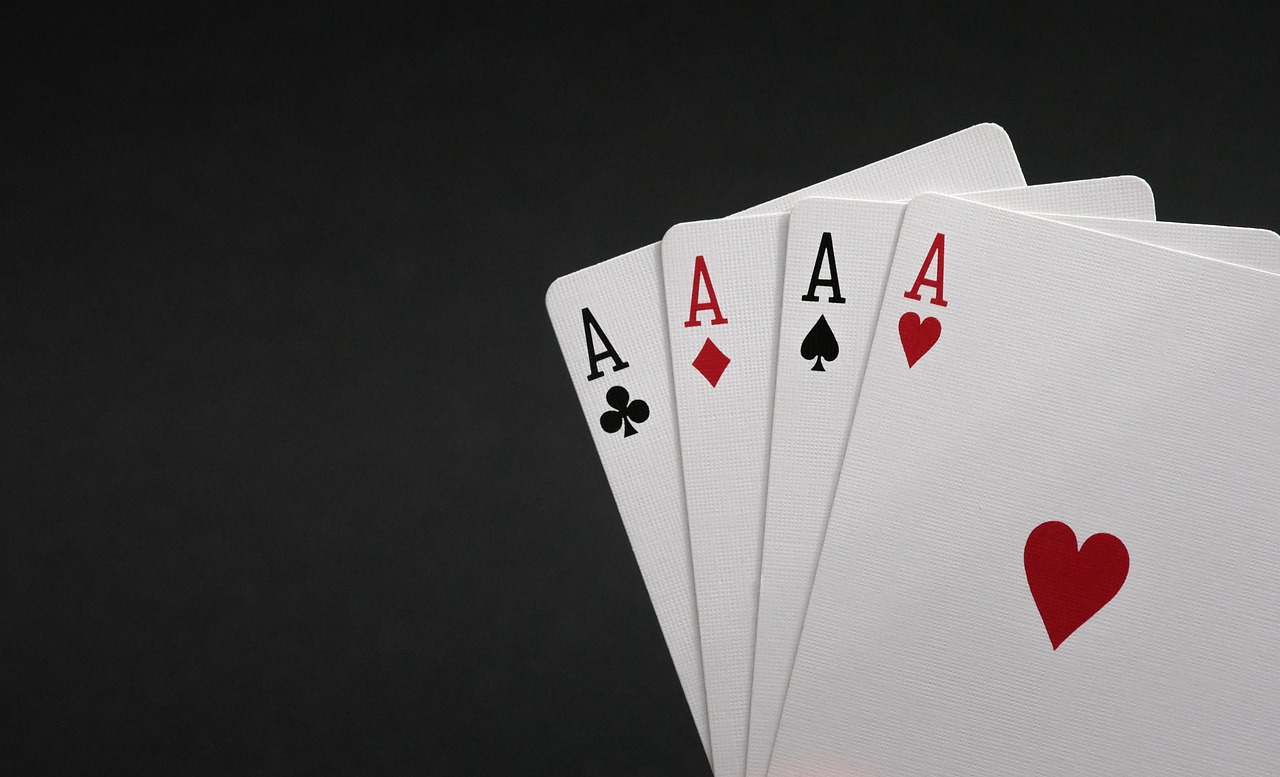
You’ve seen the ads. A guy in a tuxedo throws dice, a slot machine erupts in a geyser of gold coins, and a poker player stares down an opponent with sunglasses at midnight. The iGaming industry loves a good fantasy. But here’s the truth they don’t put in the promos: winning consistently—if you can even call it that—has almost nothing to do with luck and everything to do with understanding edge, variance, and your own psychology. I’ve been in this world for over a decade, both as a player and an analyst, and the biggest mistake I see is people treating a casino like an ATM. Let’s fix that.
Slots: It's Not About Hot or Cold, It's About RTP and Volatility
Every slot machine, whether it’s a classic three-reeler or a megaways monster, runs on a Return to Player (RTP) percentage. Think of it as the long-term payback: a 96% RTP means for every $100 wagered, the machine is designed to return $96 over millions of spins. The house keeps $4. But here’s the catch—that $4 is not evenly distributed. It’s a statistical average, and your session is a tiny blip in that ocean. Some of the clearest guidance on this comes from สล็อต.
What actually matters for your bankroll is volatility. A low-volatility slot like Starburst (RTP 96.1%) pays small wins frequently. You can play for hours on a modest budget, but you’ll rarely hit a life-changer. A high-volatility slot like Book of Dead (RTP 96.2%) might eat your balance for 50 spins straight, then blast you with a 5,000x multiplier on the 51st. That’s not luck—that’s a mathematical distribution curve.
- Practical tip: Decide your session goal before you spin. If you want playtime, pick low volatility. If you want a shot at a jackpot, accept that you’ll lose your deposit 90% of the time.
- Data point: A 2022 study of 10 million online slot spins found that the average player loses 32% of their deposit within the first 100 spins on high-volatility games—but 1 in 800 sessions ends with a profit over 500%.
- Myth buster: “This machine hasn’t paid in an hour, it’s due.” No. Each spin is independent. A slot that hasn’t paid is no more likely to pay than one that just did.
Poker: The Only Game Where You Can Actually Have a Long-Term Edge
Slots and most table games are games of chance with a fixed house edge. Poker is different—you’re playing against other people, not the house. The casino takes a rake (typically 5% up to $5 per pot), but if you’re better than your opponents, you can win. That’s a big “if.” The key is understanding expected value (EV) in every decision.
Let’s say you’re in a $1/$2 no-limit hold’em game. You have a flush draw on the flop. The pot is $40, and your opponent bets $20. You have to call $20 to win $60. Your pot odds are 3:1. You need to win at least 25% of the time to break even. A flush draw with two cards to come hits about 35% of the time. So the call is +EV—you should make it, even if you miss this hand. Over 100 identical situations, you’ll profit.
But most players don’t think in those terms. They think “I feel lucky” or “I can’t fold a flush draw.” That’s how you lose. The best poker players are ruthless with position and range. They play fewer hands but play them aggressively. They fold marginal hands from early position. They three-bet with a polarized range—either the nuts or a bluff.
Here’s a simple drill: For one week, only play premium hands (AA, KK, QQ, AK) from any position, and on the button, add suited connectors and small pairs. Track your results. You’ll likely be shocked at how much more consistent your win rate becomes.
Sports Betting: The Line Is Smarter Than You Are
The days of beating your bookie by gut feeling are over. Modern sportsbooks use algorithms, injury reports, weather data, and sharp money movements to set lines within 1-2% of true probability. If you think you’ve found a “lock,” ask yourself: why would a billion-dollar sportsbook offer a line that a casual fan can beat?
That doesn’t mean you can’t win. It means you need to find inefficiencies. Common ones include:
- Prop bets on obscure markets—like “first player to commit a foul” in soccer. Books put less effort into these.
- Live betting during momentum swings—when a team goes down early, the live odds overreact. If you’ve done your homework, you can grab value.
- Futures with ties to specific matchups—e.g., betting an underdog to win a division because their schedule is easy, while the public piles on the favorite.
One concrete data point: A 2023 analysis of 50,000 NFL bets found that bettors who only wagered on underdogs getting 3+ points in divisional games lost 48% of the time—but because of the odds (often +150 or better), they still turned a small profit. That’s the power of shopping for lines and understanding implied probability.
Bankroll Management: The Unsexy Skill That Separates Winners from Busts
I don’t care how good you are at poker or how sharp your NFL model is. If you bet 10% of your bankroll on a single outcome, you will go broke. Variance is a beast. Even a 55% win-rate bettor (which is elite) can lose 10 bets in a row. That’s a 0.45^10 chance—about 1 in 3,000. Over a year of daily betting, you’ll hit that streak.
Here’s a simple framework that works for slots, poker, and sports:
- Set a dedicated bankroll you can afford to lose. Not rent money. Not savings.
- For slots, never bet more than 1% of your bankroll per spin. A $500 bankroll means $5 spins max.
- For poker, buy in for 5% of your bankroll in cash games, or 2% in tournaments.
- For sports, flat-bet 1-2% per wager. No chasing, no “double or nothing.”
- Track every session in a spreadsheet. You’ll quickly see which games you actually beat and which ones you just enjoy.
This isn’t glamorous. But the players who last—the ones who treat iGaming like a hobby with an edge, not a get-rich-quick scheme—are the ones who follow these rules without exception.
The Psychology Trap: Why You Keep Losing Even When You Know Better
Casinos and sportsbooks spend millions on behavioral psychology. They know you’ll chase losses, they know near-misses (two jackpot symbols on a slot) trigger the same dopamine as a win, and they know you’ll remember the one time you hit a 100x multiplier and forget the 20 times you lost your deposit. That’s called survivorship bias.
The fix is to create friction. Delete your saved payment details. Set deposit limits. Use a timer. And most importantly, never play when you’re angry, drunk, or desperate. The house doesn’t need to cheat you—you’ll cheat yourself.
I’m not going to pretend iGaming is a reliable income stream for most people. It’s entertainment. But within that entertainment, you can be smart. You can choose games with better RTP, you can study poker ranges, you can shop for the best sportsbook line, and you can manage your money like a pro. That’s what separates a fun night from a financial regret.
So next time you log in, ask yourself: am I playing for the thrill, or am I playing to win? Both are fine. Just be honest about which one it is—and bet accordingly.


Post a comment